Founded in 2005, The Third Line has grown alongside the UAE’s contemporary art scene, becoming one of Dubai’s most influential galleries and a longstanding champion of artists from the region and its diaspora. Co-founder Sunny Rahbar has been central to that journey, helping shape conversations around contemporary art practices through exhibitions, publishing and long-term collaborations with artists including Abbas Akhavan, Farah Al Qasimi and Rana Begum, over the past two decades.
As Art Dubai marks its twentieth edition amid a period of wider regional uncertainty, we sat down with Rahbar to reflect on the parallel evolution of The Third Line and the fair, the changing dynamics of collecting in the region, and this year’s presentation featuring works by Farah Al Qasimi and Sara Naim, which explores photography through two distinctly different visual languages.
Saira Malik (S.M.): As one of Dubai’s long-standing galleries, how has your relationship with Art Dubai evolved over the years?
Sunny Rahbar (S.R.): Our relationship with Art Dubai has grown in tandem with our own. When we opened The Third Line in 2005, the idea of a major international fair in the region still felt aspirational. By the time the fair launched in 2007—as Gulf Art Fair, back then—we were already part of that conversation about what a Gulf art ecosystem could look like. In the early years, it felt like we were experimenting together to figure out what works: what audiences would respond to, who would travel, how we could create context for our artists. Today, both Art Dubai and we have found our footing in what has become a robust art ecosystem, and we feed into each other’s growth in a scene that keeps expanding. Art Dubai is woven into how we plan our year.
(S.M.): Looking back at your early participations, what feels most different today, both within the fair and across the wider regional art landscape?
(S.R.): In the early editions, a lot of our energy went into explaining—explaining the artists and at times the act of collecting itself, as well as the region and its histories for international collectors. Today, this is no longer the case. Visitors arrive informed about our artists’ practices and trajectories. The fair itself has matured into something more layered. The regional art landscape has also become a real ecosystem, with institutions, art schools, residencies, publications, and foundations operating across the region.
(S.M.): Over two decades, you’ve worked with artists who have grown alongside Art Dubai-how have those relationships shaped your program, and how have their practices evolved in turn?
(S.R.): Our program has been shaped, fundamentally, by our long-term relationships with artists like Abbas Akhavan, Farah Al Qasimi, Joana Hadjithomas & Khalil Joreige, Rana Begum, Sara Naim, Sophia Al-Maria, and Youssef Nabil. From the beginning, we’ve been committed to supporting work that’s harder to place—research-driven, ambitious in scale. We’ve also worked to build discourse around our artists’ practices by publishing catalogues and organizing programs such as panel discussions and film screenings. In turn, the artists have used our programming as a space to take risks and debut new bodies of work—and we’ve watched their practices become more conceptually layered and more expansive in form. That feedback loop is really at the heart of what we do.
(S.M.): This year, you are presenting works by Farah and Sara Naim, both from the same generation. How are you exploring photography as a medium through their respective practices, and what dialogue emerges between their works within the booth?
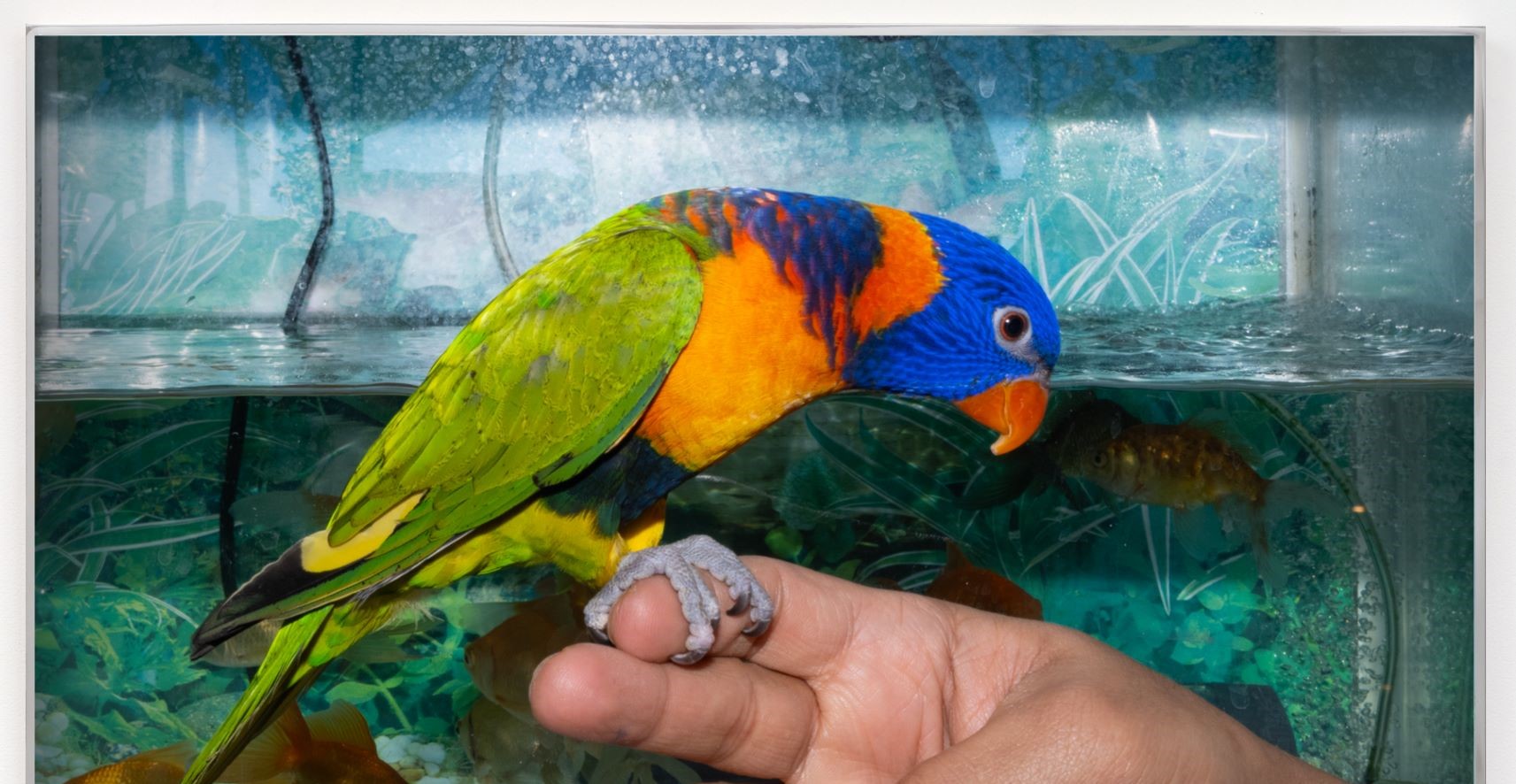
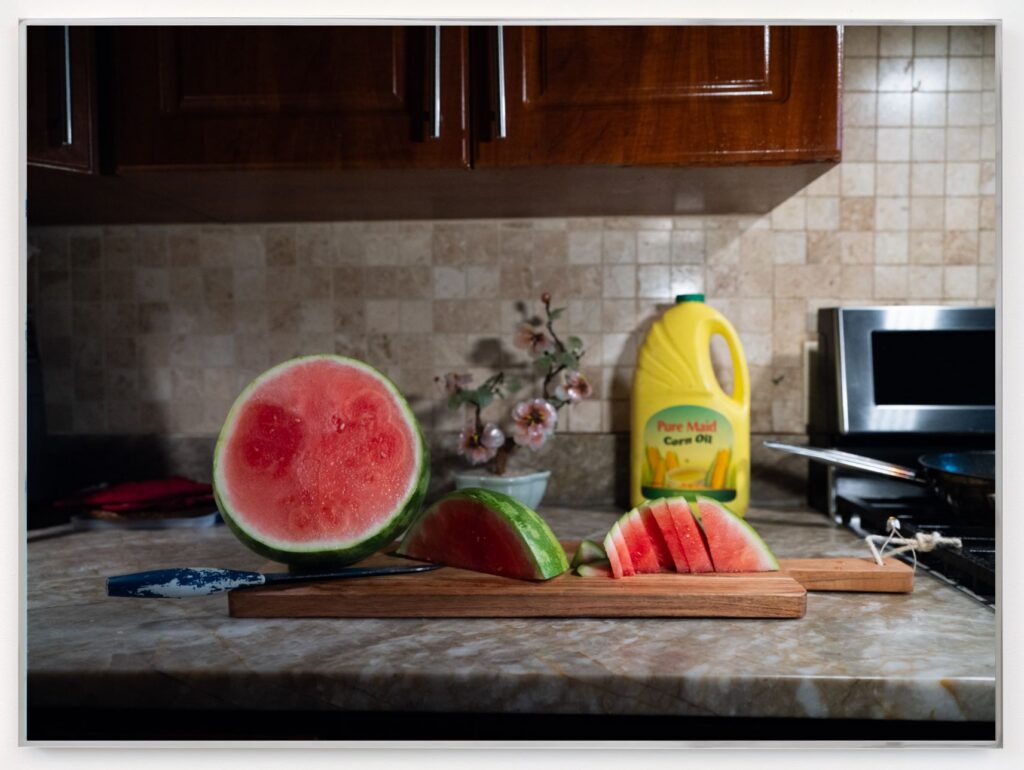
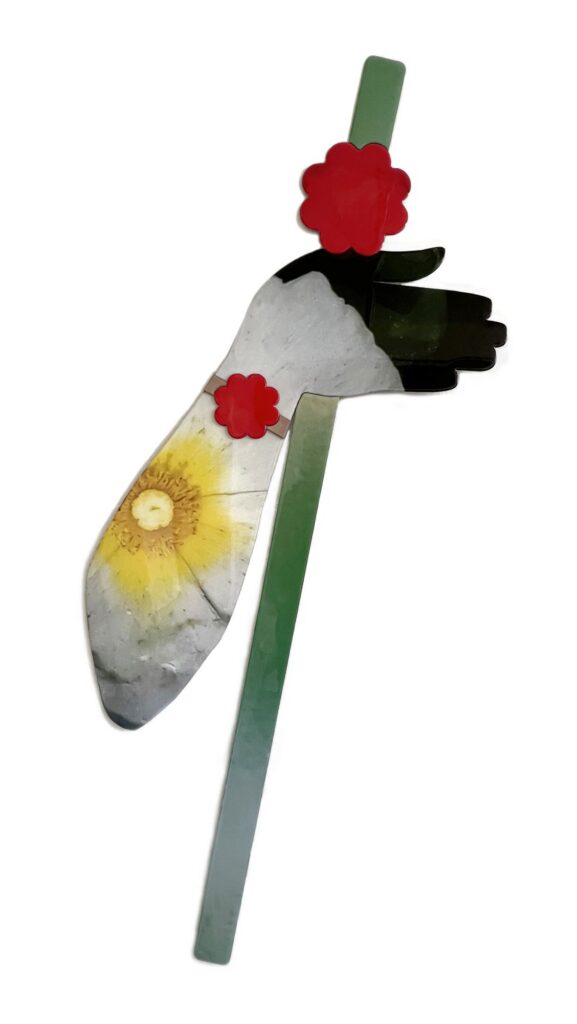
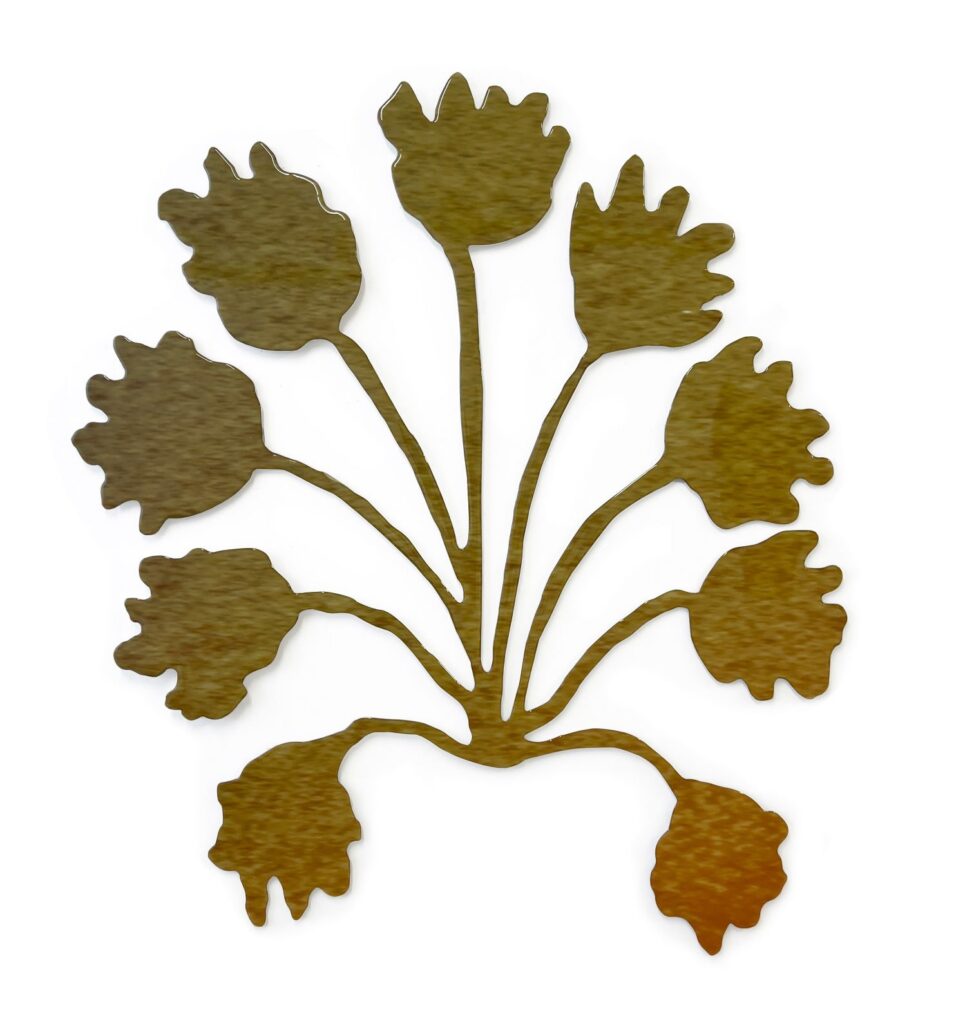
(S.R.): Farah and Sara approach photography from almost opposite ends of the medium, which is exactly what makes the pairing interesting. Farah works with figurative photography—capturing interiors and exteriors that reveal the textures of everyday life across the Gulf and the diaspora— but destabilizes it through framing and saturation. Sara, on the other hand, pushes photography toward abstraction. When you place them together, you get this fascinating conversation about what the photographic image is. The booth becomes a meditation on how a single generation can take one medium in radically different directions while still asking, in their own ways, what it means to look closely.
(S.M.): The Third Line has long worked with artists from the region and its diaspora—how do you retain that context within a global fair setting?
(S.R.): It’s a balance we think about carefully. We don’t obscure the histories and geopolitical conditions that shape our artists’ practices, but we also resist flattening them into easy regional shorthand. That balance comes through in the small choices we make at global fairs, including the conversations we have at the booth, the texts that accompany the works, and the way we sequence pieces in relation to one another.
(S.M.): Over time, how have you seen collectors engage differently with artists from the region, particularly as their practices evolve?
(S.R.): Collectors have become much more invested in trajectory. In the beginning, a lot of engagement was around discovering new artists from the region. Now we have collectors who have followed our artists for more than a decade, who own early works and want to see how the practice has matured, who are buying with intention and strategy. We also see far more institutional engagement than we used to, which changes the rhythm of conversations. That shift has been good for both the artists and us.
(S.M.): Amid this period of wider uncertainty, what has Art Dubai come to mean for The Third Line?
(S.R.): It’s an anchor. In moments when so much feels unpredictable, having a fair that has consistently gathered our community together over the past twenty years to once again bring us together is genuinely stabilizing. Art Dubai gives us a platform that doesn’t require us to fly somewhere else to maintain our presence on the international stage, and we find reassurance in that at a time when international travel and shipping of works have become more difficult to coordinate.
(S.M.): As Art Dubai reaches its 20th edition, how do you reflect on its place within the region today?
(S.R.): Twenty editions is a real achievement. Art Dubai is now woven into the cultural infrastructure of the region and has shaped generations of curators, writers, and collectors. For me, its significance lies in how it defines what a contemporary, globally engaged art scene can look like outside the traditional Western centers.
A special edition of Art Dubai will take place from 15-17 May 2026 (preview 14 May) at Madinat Jumeirah, foregrounding the galleries, institutions, and communities that have shaped the region’s art market and cultural scene.
For more information visit: https://www.artdubai.ae/