Founded in 2009 by cultural pioneers Mohammed Hafiz and Hamza Serafi, ATHR Art Gallery is a leading contemporary art space in Saudi Arabia, at the forefront of the Kingdom’s evolving art scene-pushing boundaries, shaping narratives, and fostering a thriving creative community.
We sat down with co-founder Hamza Serafi, an avid patron of the arts and creative industries, to reflect on the evolution of ATHR and Art Dubai, as well as the wider growth of the regional art landscape and the rise of artists from the region onto the global stage.
Centred around their presentation of Rami Farook’s In Shaa Allah 5air, the discussion also reflects on themes of uncertainty, resilience and collective introspection.
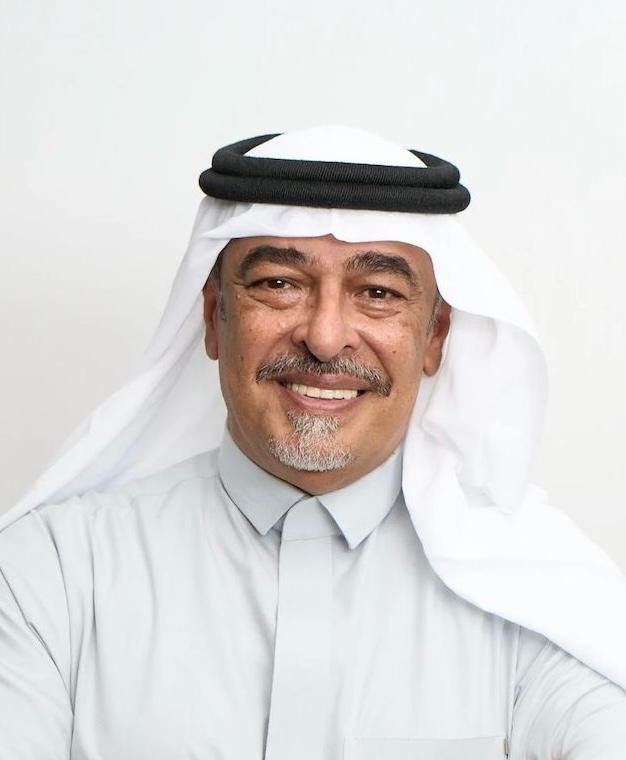
Saira Malik (S.M.): As one of the early regional galleries to grow alongside Art Dubai, how has your relationship evolved over the years, both within the fair itself and in the wider regional art ecosystem?
Hamza Serafi (H.S.): We’ve grown up alongside Art Dubai in many ways. In the early years, it felt like we were collectively building something from the ground up- testing what a regional art ecosystem could look like, and who it could serve. Over time, the fair has matured into a global platform and our role within it has also sharpened. Today, our relationship has grown from validation to contribution- how we bring depth, context and integrity to the conversations happening both inside the fair and across the region. Beyond the fair, that evolution mirrors the wider ecosystem: more institutions, more critical discourse and a stronger sense that the region is not peripheral, but central.
(S.M.): Over two decades, what do you think Art Dubai has made possible for artists from the region?
(H.S.): It created visibility at a moment when that visibility didn’t exist at scale. But more importantly, it created continuity. Artists here are no longer showing in isolation – they’re part of an ongoing narrative that collectors, curators and institutions return to year after year. That consistency has allowed practices to develop with more confidence and ambition. It’s also shifted perception: artists from the region are no longer framed as emerging by default but as established voices contributing to global dialogues.
(S.M.): ATHR has long centered artists from the region-how do you retain that context within a global fair setting?
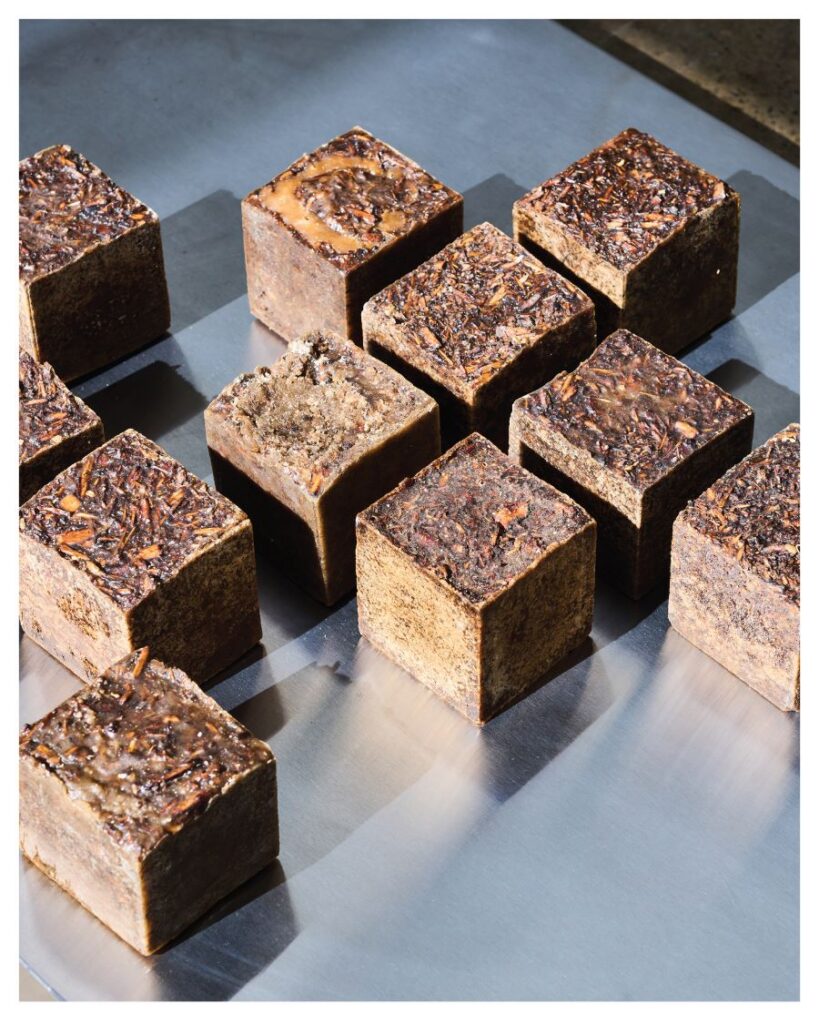
(H.S.): The artists we work with are deeply rooted in their environments and our role is to present that work without diluting it for a global audience. We resist the urge to over-explain or translate too much. Instead, we trust the work to hold its own complexity. At the same time, we’re very intentional about how we frame conversations within the booth-through juxtapositions, material choices and narratives that allow audiences to engage without flattening the work into something more “palatable”.
(S.M.): Over the past two decades of Art Dubai, how have you seen collecting in the region evolve, particularly in relation to more experimental work, and how has that informed your curatorial direction?
(H.S.): There’s been a clear shift from transactional collecting to more considered, long-term engagement. Early on, there was a tendency toward the familiar- works that felt immediately legible or decorative. Today, we’re seeing collectors take more risks, spend more time with challenging work, and build collections that reflect a point of view rather than a trend. That evolution has given us more room to be ambitious curatorially. We’re able to present work that is process-driven, conceptual or materially unconventional, knowing there is an audience willing to engage with it seriously.
(S.M.): What is the curatorial thinking behind your presentation for this edition of Art Dubai, and what conversations are you hoping to bring into focus?
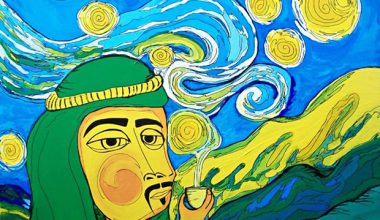
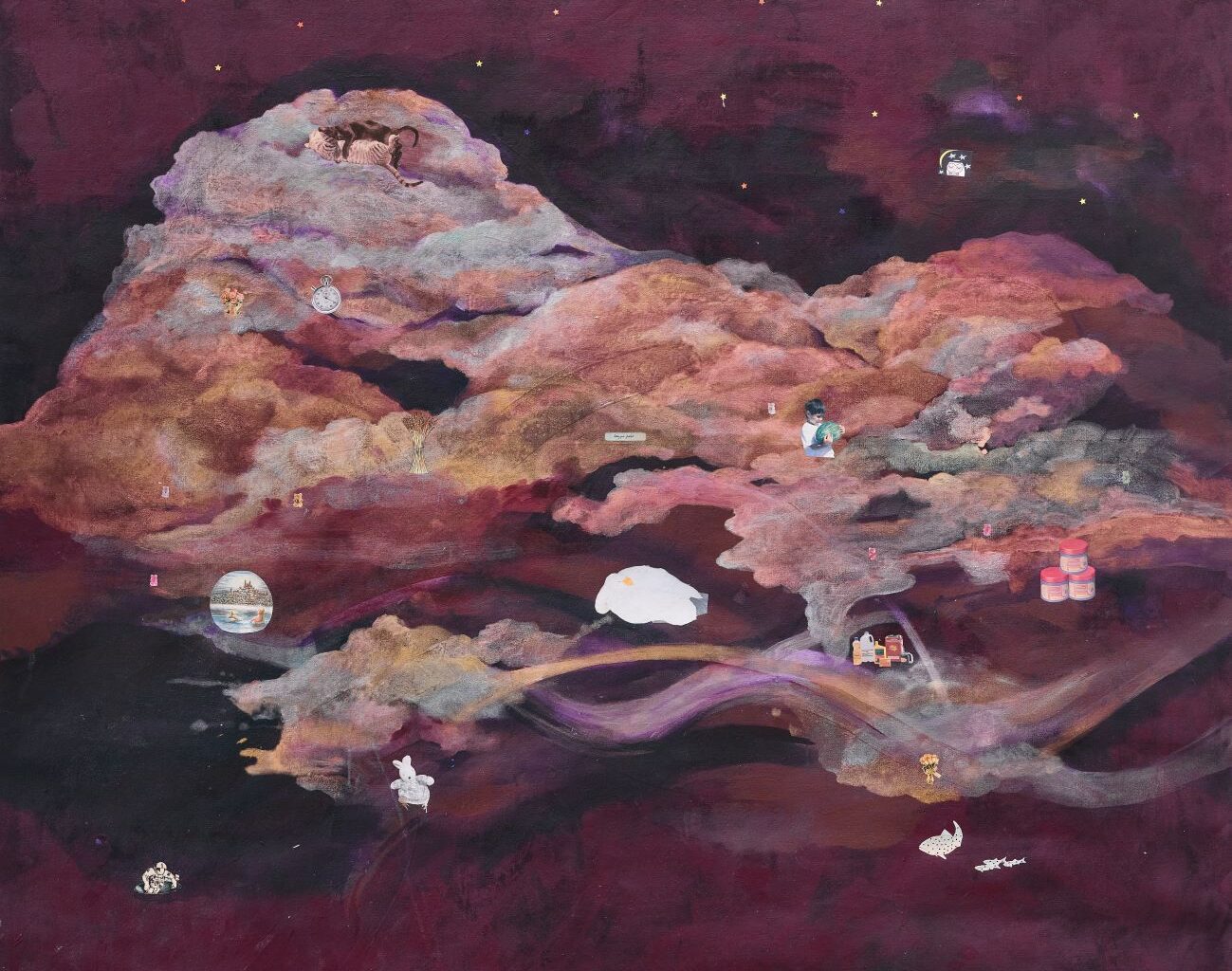
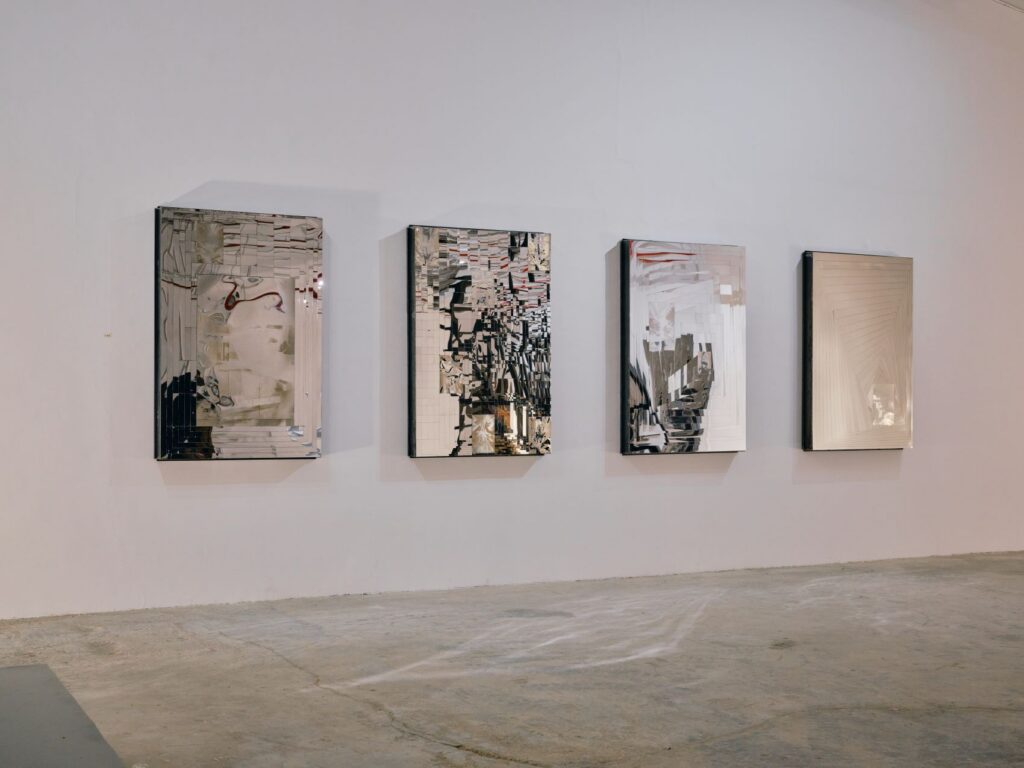
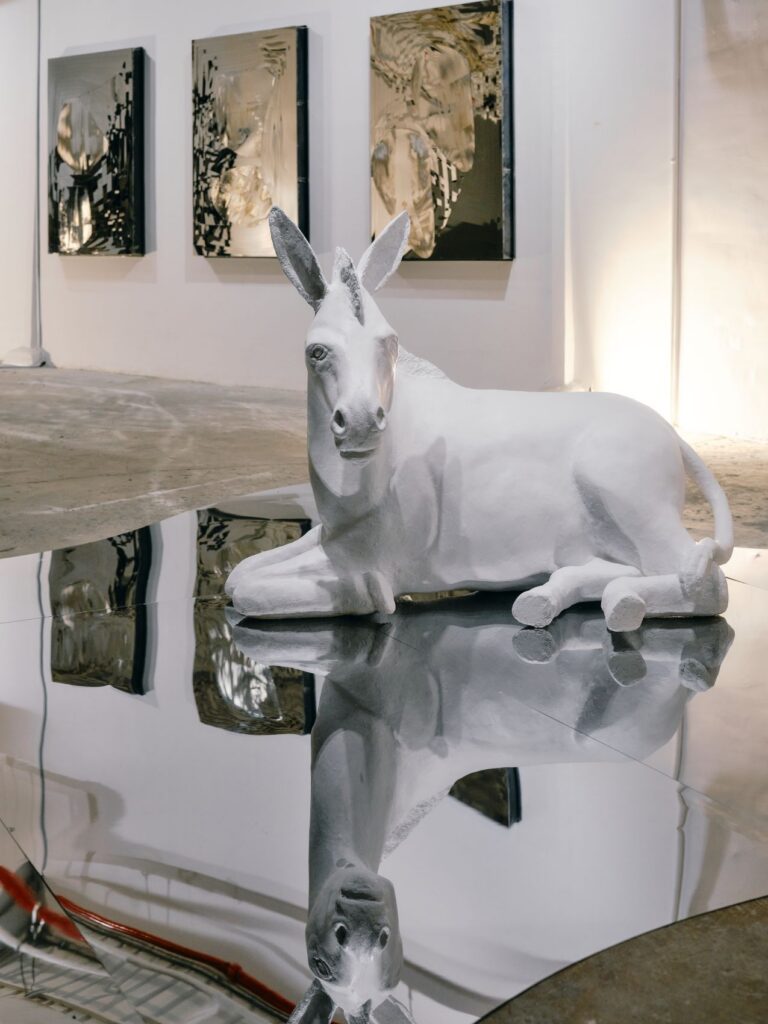
(H.S.): We’re presenting a solo project by Rami Farook, In Shaa Allah 5air, in which the works were developed over the past nine months, across a period marked by uncertainty in the Gulf and that context inevitably shapes the tone of the presentation.
The presentation is anchored in In Shaa Allah 5air a phrase holding faith, surrender, resilience, caution and humility in the face of the unknown.
It brings into focus themes of transition, connection, responsibility, faith, family, and the environment, alongside reflections on anxiety, patience, acceptance, and trust. A thread of surrealism and dark humor runs through the works as a means of processing, escape, and release.
(S.M.): As Art Dubai takes shape this year under evolving circumstances, what does being part of this special edition mean for ATHR?
(H.S.): It’s a moment of unity as much as participation. Being part of this edition is about acknowledging how far the ecosystem has come. Art becomes most vital in moments of uncertainty, it brings people together, creates space to process and heal and reminds us of our shared humanity. There’s a strong sense of collective awareness this year and we’re approaching it with intention and gratitude.
(S.M.): Art Dubai marks two decades this year-how do you see its role evolving within the region, and where does ATHR Art Gallery fit into that next chapter?
(H.S.): Art Dubai’s role will continue to expand beyond the fair model – it’s already becoming a platform for knowledge production, institutional collaboration and deeper regional and global engagement. The next chapter is less about scale and more about substance. Where ATHR fits into that is quite natural for us: continuing to advocate for artists from the region, while also pushing the boundaries of how their work is seen and understood. Both Art Dubai and ATHR are not interested in just occupying space – we’re interested in shaping it.
A special edition of Art Dubai will take place from 15-17 May 2026 (preview 14 May) at Madinat Jumeirah, foregrounding the galleries, institutions, and communities that have shaped the region’s art market and cultural scene.
For more information visit: https://www.artdubai.ae/