Someone had commented on a photograph of my wife, Samya, and me, asking what her husband was doing with his face. I had been growing my beard, and people were having opinions about it.
Samya replied, “Why? I’m digging it.”
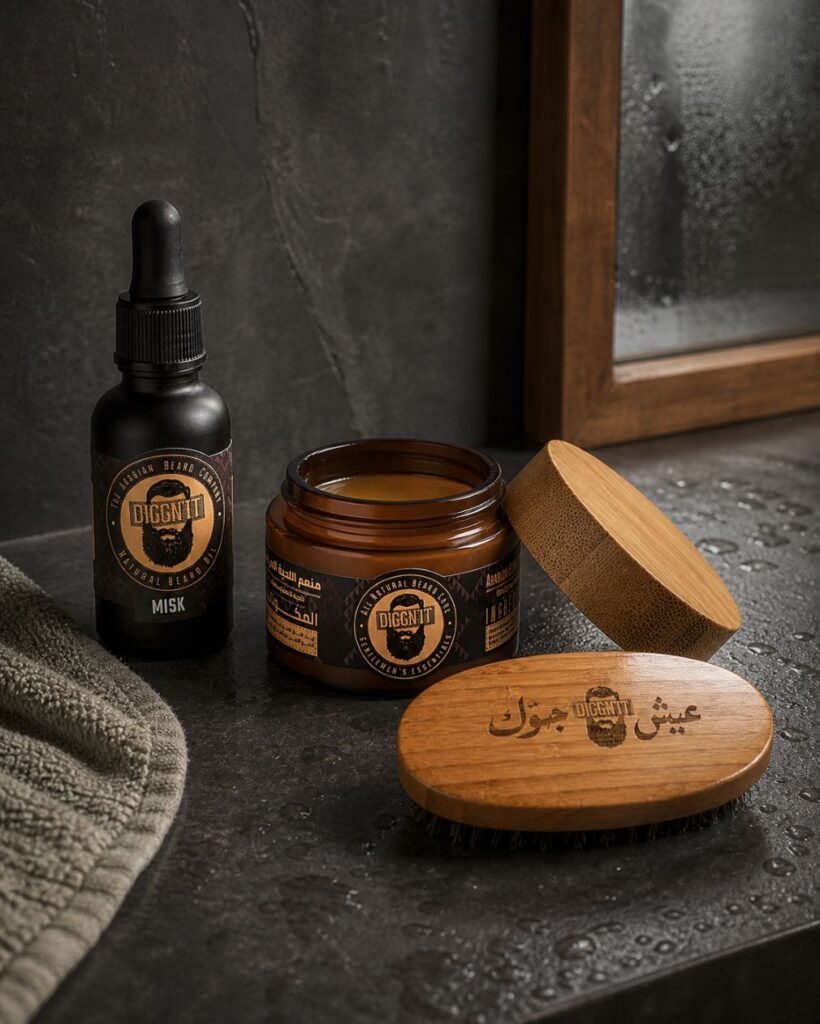
We were travelling at the time. We looked at each other. In Hijaz, the region of western Saudi Arabia that includes Jeddah, we use دقن for the chin and beard. It sounds something like “dig in.” Diggn’It worked in English and Arabic at once. Her reply had given us a name for the beard-care company we would go on to build.
I remember feeling that the name was too good to waste. We had to give it a shot, which tells you something about how much I understood of starting a business.
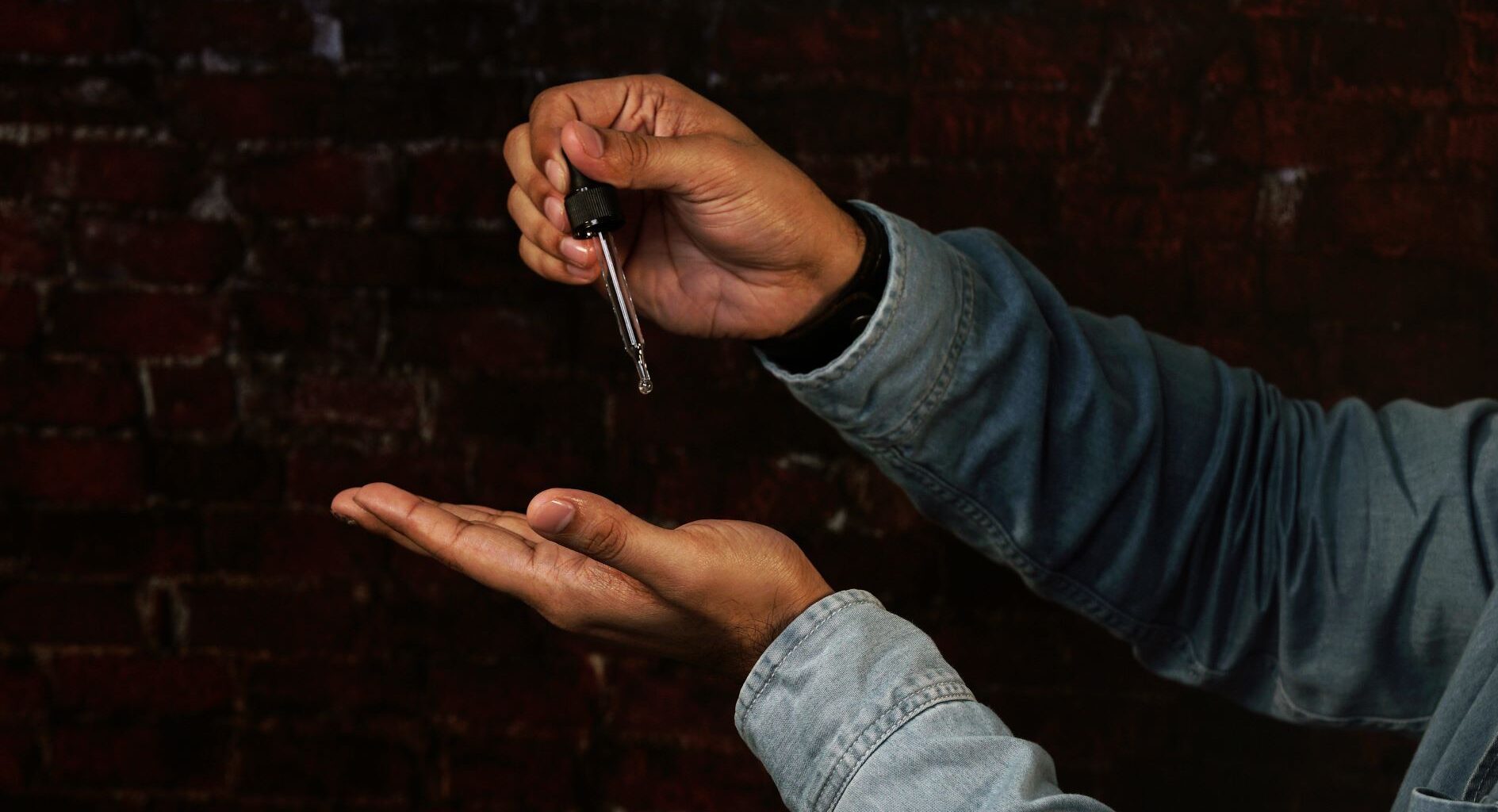
I had only recently discovered beard oil myself. My brother had suggested it, and I ordered a bottle from Australia. When it arrived, I opened the package in my car during my lunch break, put some oil in my beard and checked myself in the mirror. I loved how I smelled. I even posted a photograph of the bottle, which was unusual for me.
The experience made me pay attention to the companies around this kind of care. I could find brands from Australia, Europe and the United States. I wanted to see one that felt closer to home. Scent, oils and grooming were familiar parts of the world I knew, yet I had gone abroad to discover a product for the hair on my own face.
Back in Jeddah, we took the idea to our friends. A chemical engineer joined us as a partner and took on the formulation work. A graphic designer developed the identity. My biology background helped with testing and keeping notes. Between us, we began figuring out how to make it.
Before we had finished products to sell, Samya was taking photographs and putting posts together for Instagram. She kept Waseem Wednesdays going, with a picture of my beard in a different place each week. The beard was on my face; she carried much of the consistency.
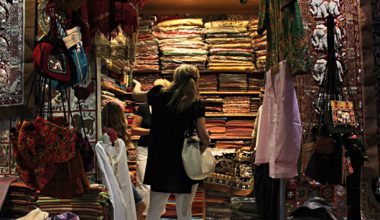
We went looking for oils in Al-Balad, Jeddah’s old town. Around the shops of the attarin—the herbalists and oil sellers—there were drums and shelves of oils, spices and the scent of cardamom. We asked questions, bought samples and brought them home to test.
I also sat beside my grandmother in her room and asked what people used for their hair. To her, this was ordinary knowledge. She began telling me about oils people had used long before I had thought to ask.
“Ma’roof,” she told me. Everybody knows.
Wallah, I had no idea. I had been excited by something that arrived in an attractive package from the other side of the world. Now I was sitting beside my grandmother, discovering how much I had missed at home. I had been looking for a beard-care brand that felt close to us, while barely noticing the care people around me already knew.
Her knowledge of oils gave us somewhere else to look as we worked on the products. It also changed what I wanted them to express. The scent of oud, the use of oils in hair, the pleasure people took in smelling good: these were things I recognized. I wanted them to feel at home in the playful world of beard care I had just discovered.
We started with Misk and Oud, scents that felt familiar to us. Our samples travelled in little plastic containers with handwritten codes on tape. I brought them to family gatherings and evenings with friends, asked people to smell them and took notes on their reactions. Our families gave us feedback and encouragement. We funded the early work from our own savings.
Our designer gave the experiments a face: a bearded figure with Diggn’It across its eyes, so it could belong to someone other than me. We wanted it to feel masculine and playful. We also wanted it to look cool.
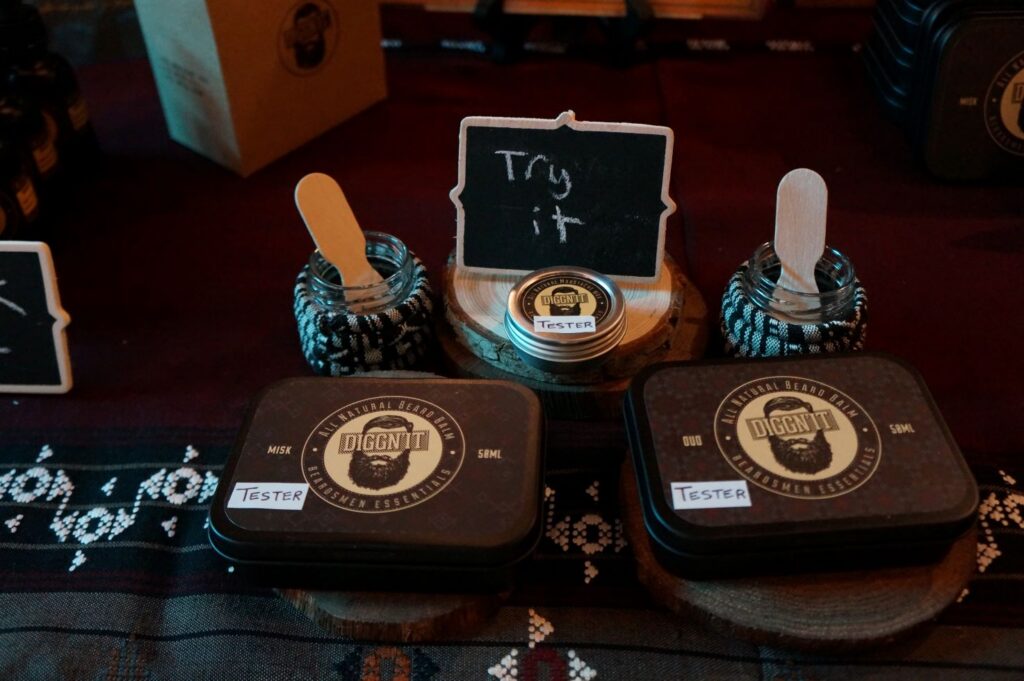
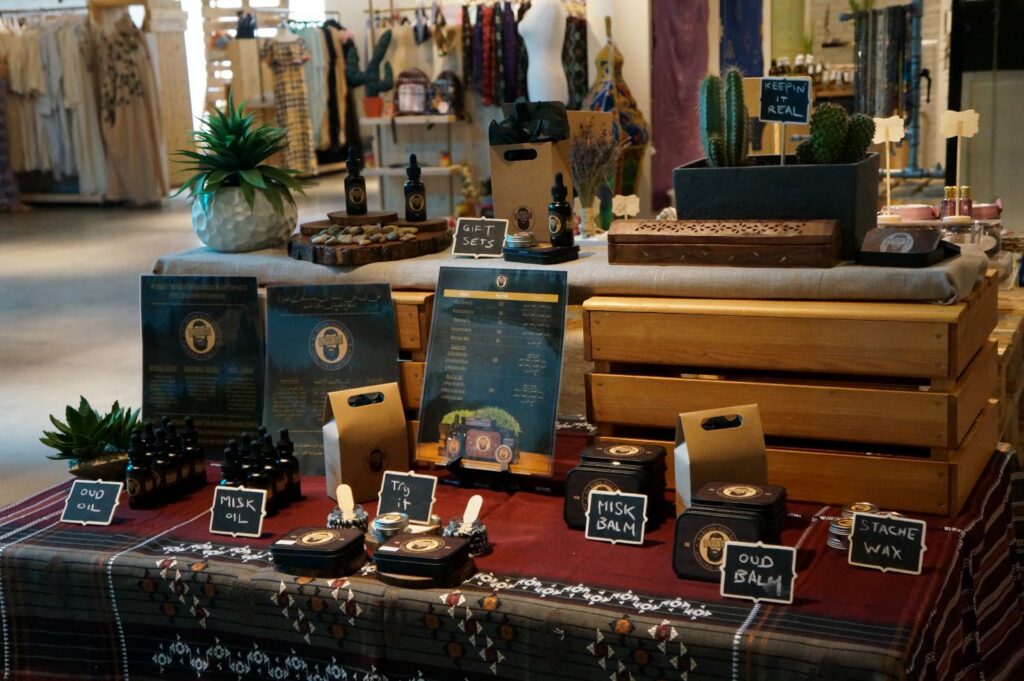
Before one of our early market events in Jeddah, Samya and I spent a week collecting things for the booth. The night before, we arranged the display at home, moved bottles around and worked out how it would look to someone standing on the other side of the table.
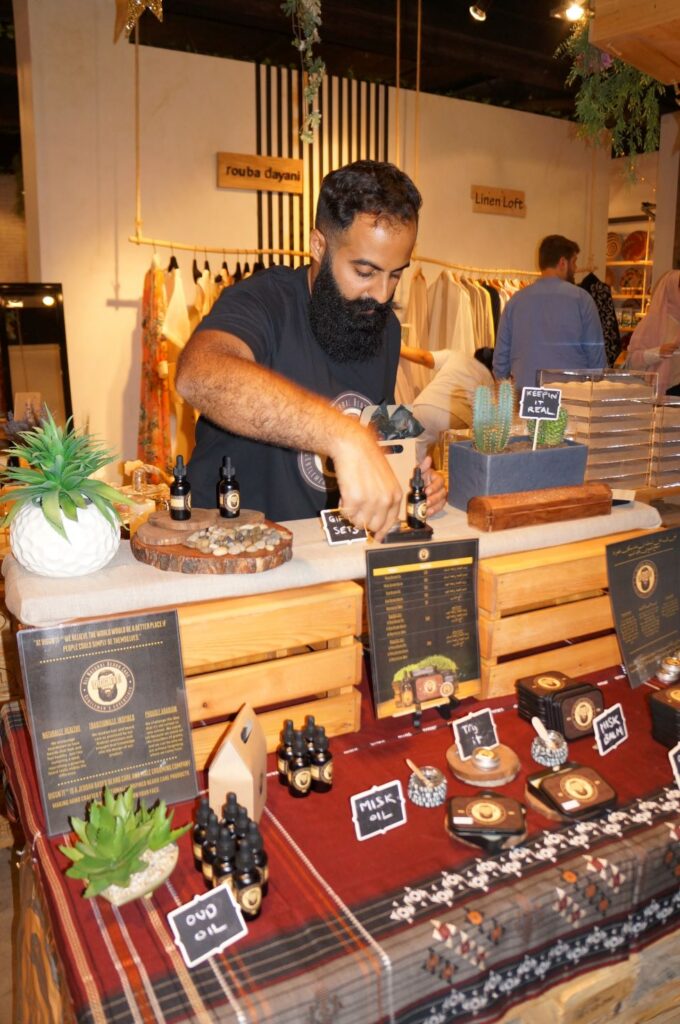
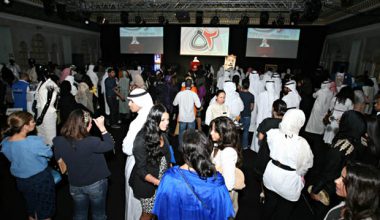
At the event, we had wooden crates, patterned cloth, black bottles and tins of balm. Much of the room was devoted to women’s fashion, cosmetics and accessories. Our bearded logo and grooming products drew questions.
“What is this?” people kept asking.
I had lived with the idea for months, so I thought it was obvious. Standing there, I had to explain what beard oil was, how it differed from balm and why someone might want to use either. I was also finding the Arabic words as I went. Being able to describe something in English did not mean I could immediately explain it naturally to the person in front of me.
The questions came back often enough that we began answering them beyond the booth, through our FAQ and YouTube channel. My grandmother had treated oils in hair as ordinary knowledge. At the market, I was explaining what someone might do with this particular bottle. Familiar scents and ingredients could bring us part of the way, but we still had to help people understand the products.
I also found myself telling men that they could take care of themselves too. I had a large Arab beard, and I enjoyed how soft it felt and how an oil smelled on me. I could describe a scent as lovely without feeling any less masculine. Those pleasures had become easy for me to talk about through beard care, and I wanted room for them in the conversations around our table.
People smelled the products and called their friends over. I liked that they could approach the bearded logo, ask a question and find something playful there. The name had given Samya and me an immediate connection between two languages. At the booth, I was working out how to describe something I had come to enjoy, using familiar scents and words I was still learning to put together.
About the author
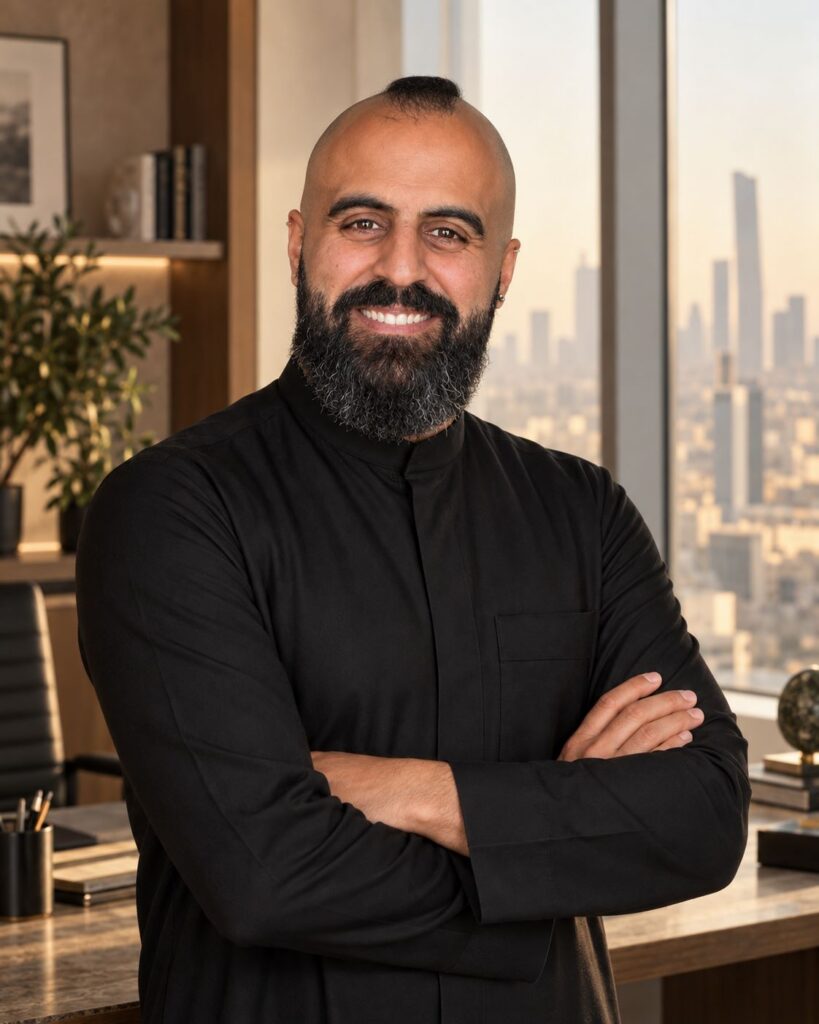
Waseem Sendi is the co-founder and managing director of Diggn’It, a Saudi Arabian men’s grooming brand. His work explores the relationship between beard care, personal identity and Arabian grooming traditions. He also writes at Waseem.Space about belonging, self-expression and the experience of building a business.