In the heart of Fujairah, a silent revolution of ink, gold leaf, and precision is taking place. While the world moves toward an increasingly digital future, the School of Calligraphy and Ornamentation (SOCO) is looking back; not out of nostalgia, but out of a profound commitment to excellence and cultural continuity. Under the visionary leadership of His Highness Sheikh Mohammed bin Hamad bin Mohammed Al Sharqi and General Manager Dr. Esra Alhamal, SOCO has emerged as the first institution in the United Arab Emirates to offer a fully integrated curriculum dedicated to the traditional arts of the Islamic manuscript.
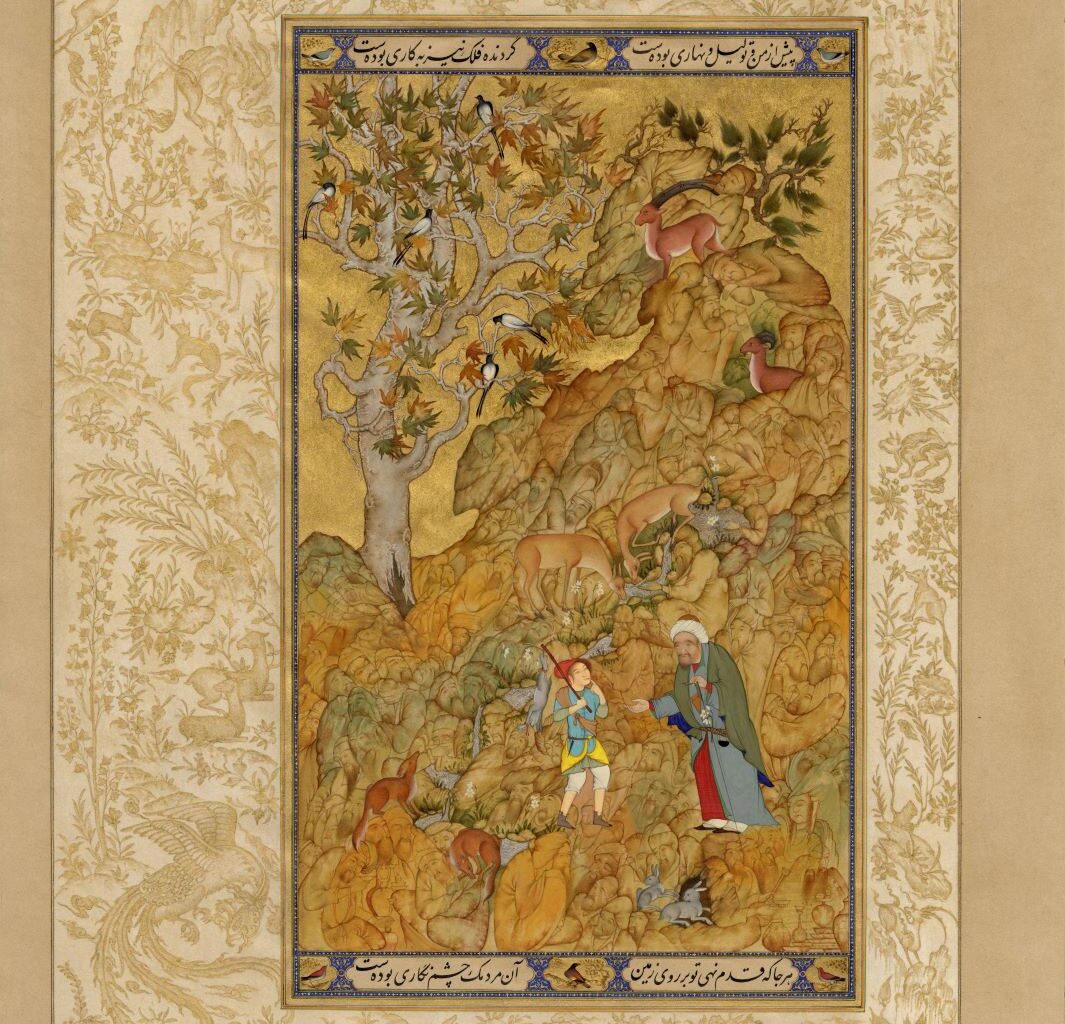
Islamic manuscript production was never merely a collection of isolated crafts; it was a unified artistic and intellectual journey. By housing calligraphy, ornamentation, illumination, miniature painting, and bookmaking under one roof, SOCO revives this holistic approach for a new generation. From intensive annual programs that challenge professional practitioners to open creative spaces for the community, the school is positioning Fujairah as a global hub for scholarship and artistic practice.
In this feature, we delve into the mission of SOCO, exploring how it balances centuries-old aesthetics with contemporary expression, and what it takes to master the disciplined, patient beauty of the "arts of the book."
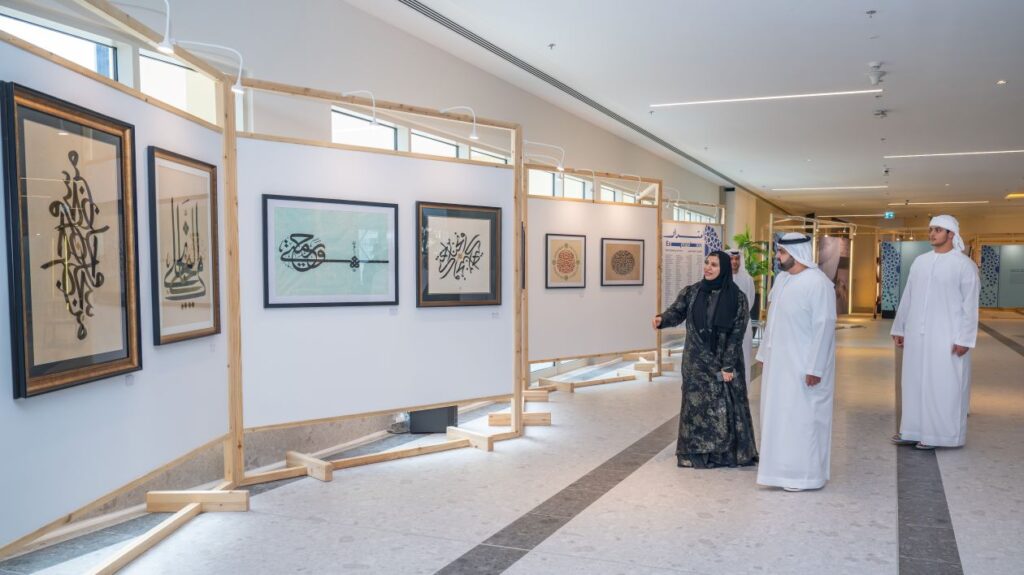
Khaleejesque (K.M): The school is described as the "first institution in the United Arab Emirates dedicated to a fully integrated curriculum in the traditional arts of the Islamic manuscript." How does this pioneering status position the school as a crucial and unique addition to both the local and regional creative and educational landscape?
Dr. Esra Alhamal (E.A.): The School of Calligraphy and Ornamentation is one of the cultural initiatives of His Highness Sheikh Mohammed bin Hamad bin Mohammed Al Sharqi, established to support the preservation and advancement of Islamic art and manuscript traditions in the United Arab Emirates.
As the first institution in the UAE to offer a fully integrated curriculum dedicated to the traditional arts of the Islamic manuscript, the School marks a significant shift in how the arts of the book are taught and understood. By bringing together calligraphy, ornamentation, illumination, miniature painting, and bookmaking within a single framework, it reflects the manuscript’s original conception as a unified artistic and intellectual process.
Regionally, the School serves as a reference point for Islamic art and manuscript studies, positioning Fujairah as a center for scholarship and practice. This vision is guided by Dr. Esra Alhamal, General Manager of the School, whose leadership emphasizes academic rigor, authentic transmission of knowledge, and the development of contemporary practice rooted in tradition.
(K.M): Your mission is rooted in safeguarding the region’s visual traditions. Could you elaborate on the long-term vision for the School, and how it successfully balances the preservation of centuries-old aesthetics with nurturing new creative opportunities and contemporary expression?
(E.A): The School of Calligraphy and Ornamentation aims to establish a sustainable center of excellence for the arts of the book and Arabic and Islamic manuscript production. Its integrated curriculum treats manuscript arts as a unified practice—bringing together calligraphy, illumination, ornamentation, miniature painting, and book arts—to preserve traditional knowledge, materials, and techniques.
Based in Fujairah, the School of Calligraphy and Ornamentation ensures these traditions remain relevant by supporting research-led practice and contemporary artistic exploration, positioning the School as a leading regional reference for Islamic manuscript arts.
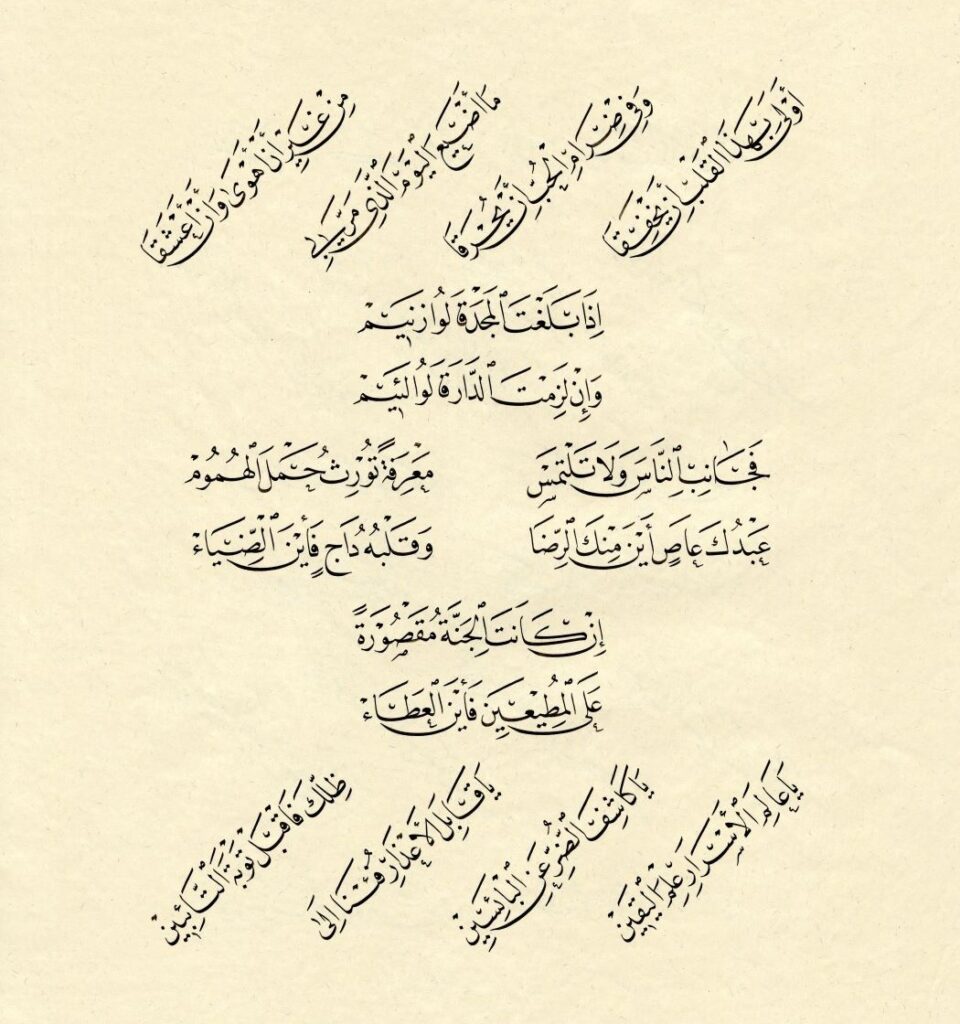
(K.M): The school's extensive programs cater to "artists, hobbyists, and practitioners seeking deeper expertise." What are the key differences between the intensive annual programs, short-term courses, and the open creative space, and who is the ideal candidate for each pathway?
(E.A): The School of Calligraphy and Ornamentation offers three distinct learning pathways, each designed for a different level of commitment and artistic intent.
Intensive annual programs are the School’s most rigorous offerings. They are intended for committed practitioners and emerging artists seeking in-depth training and professional development, with structured, long-term study across the full process of Arabic and Islamic manuscript production.
Short-term courses and workshops are focused and flexible. They suit artists, hobbyists, and cultural enthusiasts who wish to develop specific skills or explore traditional techniques without long-term commitment.
The open creative space is a free, community-oriented environment. It is open to students, alumni, and the wider public, providing access to traditional tools, shared workspaces, and informal guidance. It supports independent practice, experimentation, and peer exchange, ensuring the School remains an accessible cultural resource beyond formal education.
(K.M): For participants who complete the flagship intensive programs, particularly the one-year course that covers every stage of manuscript creation, what kind of professional opportunities, career paths, or avenues for further study are they prepared for upon completion?
(E.A): Completion of the School’s flagship intensive programs prepares participants for professional practice, advanced artistic development, and further academic study within the field of Arabic and Islamic manuscript arts.
Professionally, graduates can work as calligraphers, illuminators, ornamentation artists, miniature painters, and book artisans, pursuing independent practice, commissions, exhibitions, or collaborations with museums, libraries, and heritage institutions. The training also supports careers in education, enabling graduates to teach, lead workshops, or contribute to cultural training initiatives.
Creatively and academically, the School provides structured opportunities for graduates to present and disseminate their work. Participants may publish research and practice-based findings in the School’s annual academic journal Mishkah, and take part in a curated group exhibition, offering early professional visibility, peer engagement, and critical discourse.
Academically, graduates are well prepared for further study in Islamic art, manuscript studies, visual culture, or related research-based disciplines, supported by a strong foundation in historical knowledge, materials, and techniques.
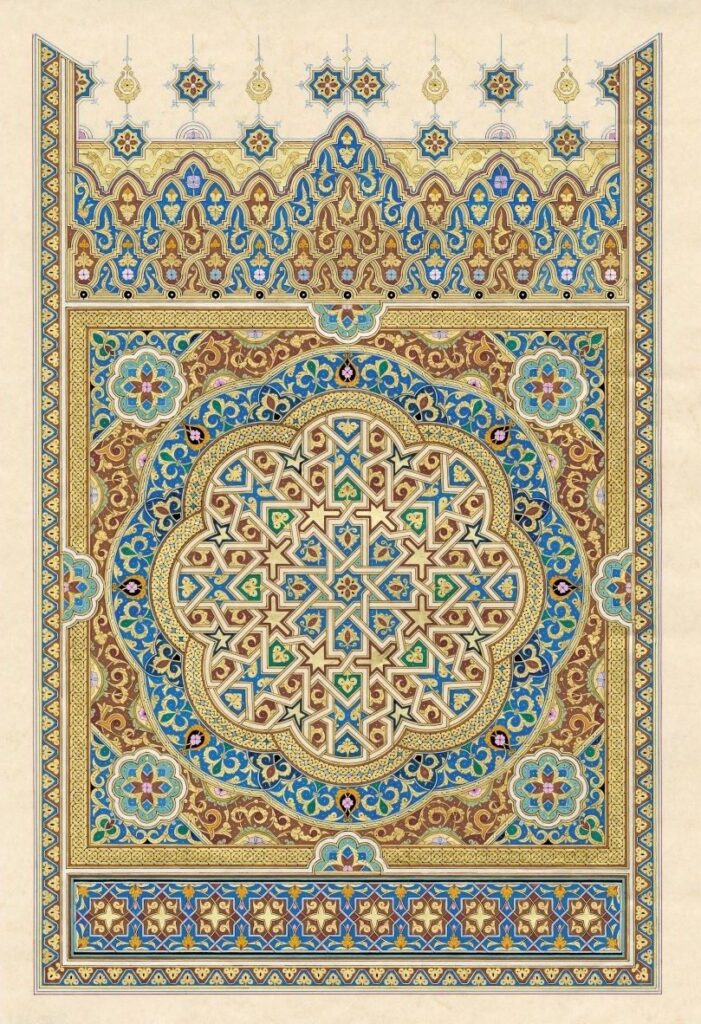
(K.M): The School of Calligraphy and Ornamentation (SOCO) has led major initiatives like the Fujairah International Conference, Competition, and 'Imtidad' Exhibition. How do these high-profile cultural events reinforce the school’s goal of becoming a global hub and strengthen the UAE’s cultural presence internationally?
(E.A): Academic research is a core pillar of the School of Calligraphy and Ornamentation, and the Conference plays a critical role in advancing this mission by supporting and disseminating new scholarship in the fields of Islamic art and manuscript studies. By convening scholars, artists, and researchers, the Conference provides a sustained platform for original research, critical exchange, and methodological development. Selected papers are published in the School’s annual academic journal, ensuring that this research contributes to the wider international body of knowledge.
The School’s annual exhibitions complement this academic activity by expanding public engagement and international visibility. Each year, SOCO curates a new exhibition concept—beginning with Inspired from Manuscripts and followed by Imtidad—bringing together a different group of artists and institutions. Recent editions have featured over 100 works by participants including the Japanese Calligraphy Association, Mohammed Fatih University and Dokuz Eylül University in Turkey, SOCO students, UAE calligraphers, and independent artists from Saudi Arabia and the UK. Through this rotating, inclusive model, the exhibitions create a dynamic platform for dialogue, discovery, and international exchange, reinforcing Fujairah’s role as an active center for Islamic art and manuscript culture.
(K.M): The school is structured into five specialized departments: Arabic Calligraphy, Ornamentation, Gilding, Miniature Art, and Bookmaking. What is the significance of offering such a holistic and integrated curriculum that covers the full process of traditional Islamic manuscript production?
(E.A): Structuring the School into five specialized yet interconnected departments reflects the historical reality of Islamic manuscript production as a unified artistic process. Calligraphy, ornamentation, gilding, miniature painting, and bookmaking were traditionally conceived together, not as isolated practices.
By teaching these disciplines within an integrated curriculum, students gain a clear understanding of how decisions in script, layout, materials, and decoration influence one another. This approach develops practitioners who think holistically, with strong technical skills and a deep awareness of the manuscript as a complete work of art.
Educationally and culturally, this model ensures the full transmission of Islamic manuscript knowledge, preserving both individual crafts and the relationships between them. It positions the School as a rare institution dedicated to maintaining the integrity of manuscript traditions while enabling their continued practice and development today.
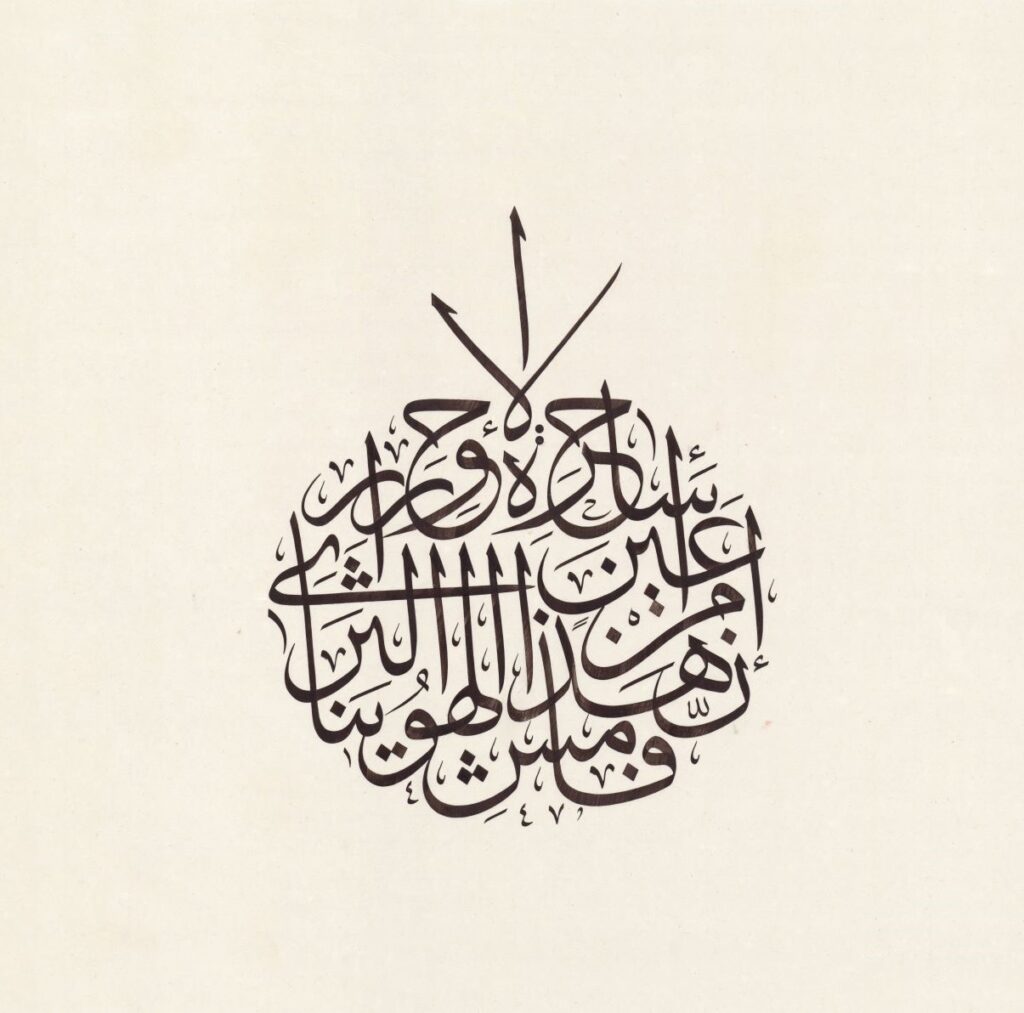
(K.M): For aspiring artists and artisans interested in pursuing the traditional arts of calligraphy and ornamentation, what essential advice would the school’s leadership or specialized practitioners offer regarding passion, discipline, and the journey of mastering these ancient crafts?
(E.A): Aspiring artists are encouraged to understand that passion for calligraphy and ornamentation must be matched with patience, discipline, and long-term commitment. Under the guidance of Dr. Esra Alhamal, the School emphasizes that these arts are lifelong practices, shaped through repetition, humility, and deep respect for tradition.
Strong discipline is essential. Students are advised to build solid foundations by mastering classical rules, proportions, materials, and techniques before pursuing personal expression. Technical and historical understanding are seen as prerequisites for meaningful creativity.
Equally important is embracing the journey rather than rushing results. Each stage of learning carries value, and progress comes through consistent practice, openness to mentorship, and reflection. By balancing reverence for inherited knowledge with thoughtful engagement in the present, artists can contribute to the continuity and future of these ancient crafts.
(K.M): For a potential student interested in enrolling, what is the best process or entry point for becoming part of the School of Calligraphy and Ornamentation, and how does the school reach and engage new generations of artists within the UAE and beyond?
(E.A): Prospective students can join the School of Calligraphy and Ornamentation by choosing the pathway that best suits their time commitment, level of rigor, and desired outcomes. Both short courses and intensive programs are open entry points; the intensive programs have no prerequisites and are open to beginners as well as experienced practitioners.
Enrolment is simple and completed online via socofujairah.ae, with applications for intensive programs open until August.
The School actively engages new generations of artists through exhibitions, conferences, competitions, and international collaborations. It also hosts an annual Art Week, offering more than 60 free workshops in one week, providing broad public access to calligraphy, ornamentation, and related arts.
Upcoming university partnerships, to be announced in the new year, will further expand academic and career pathways. Applicants are encouraged to stay connected through the School’s newsletter for updates.
For more information, visit: https://socofujairah.ae/