Storytelling has always needed two things: someone willing to tell, and someone willing to sit and listen. AlUla is testing whether that exchange can survive being moved from a desert gathering to the gates of an international institution in Paris.
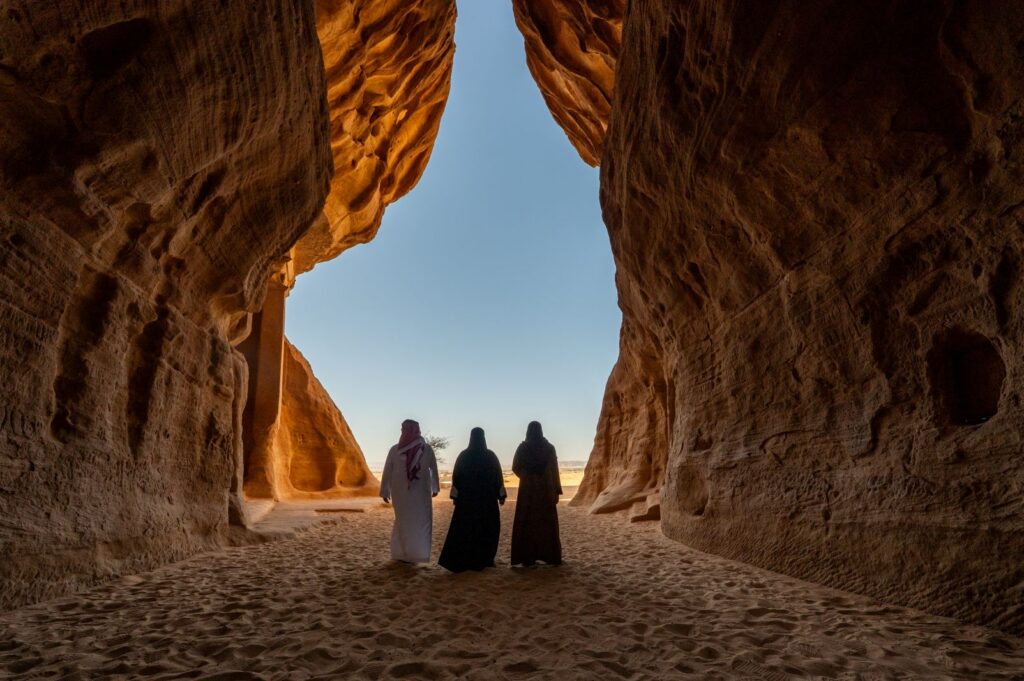
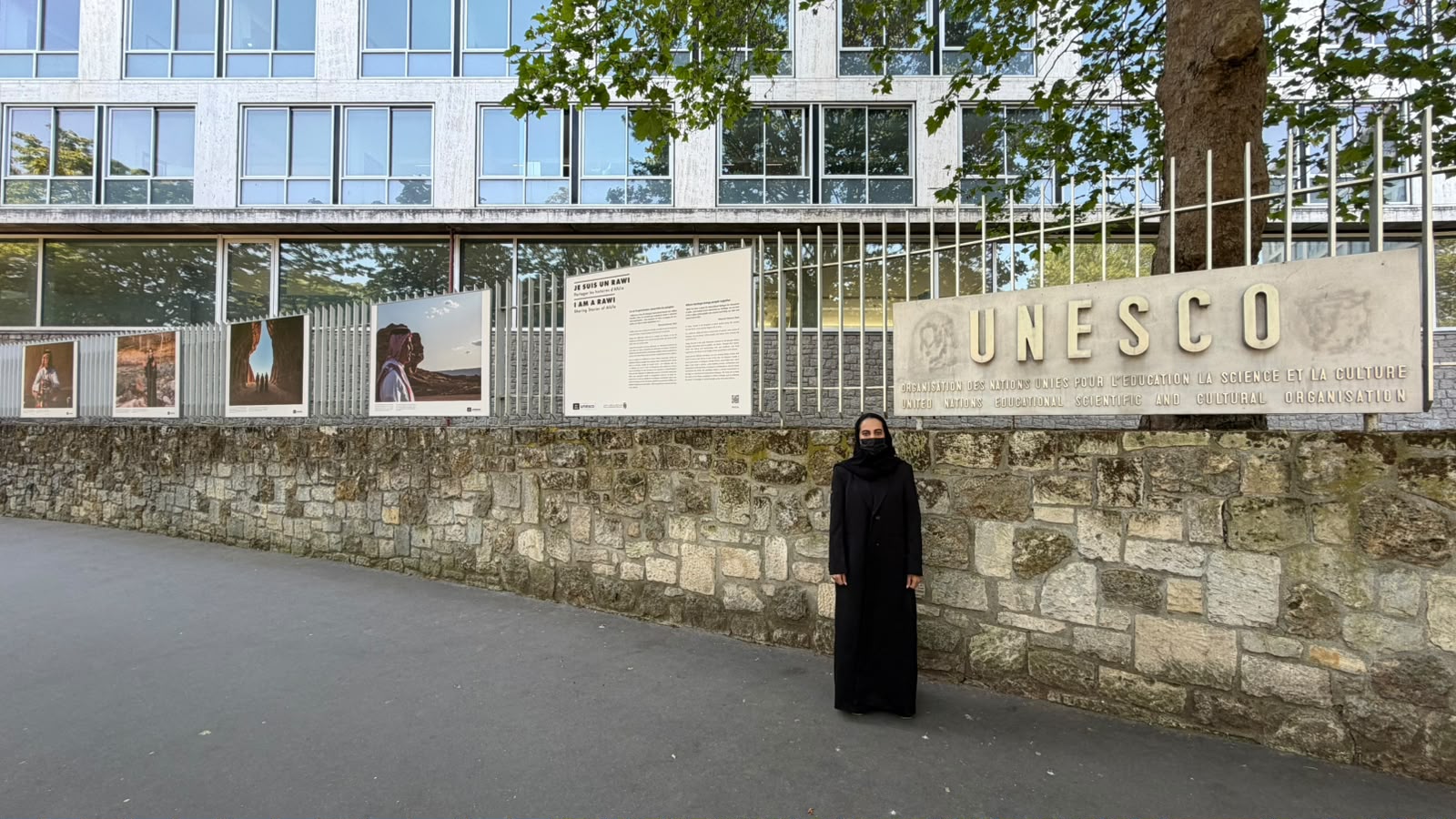
Through 31 August, the public photography exhibition "I am a Rawi: Sharing Stories from AlUla" runs at the entrance to UNESCO Headquarters, putting the faces of AlUla's Rawis, its traditional storytellers, in front of one of the more unlikely audiences a regional heritage programme could ask for. It's a modest format, a photography exhibition rather than a full pavilion, but the location does a lot of the work: passersby encountering AlUla's storytelling tradition on their way into a building built around global cultural exchange.
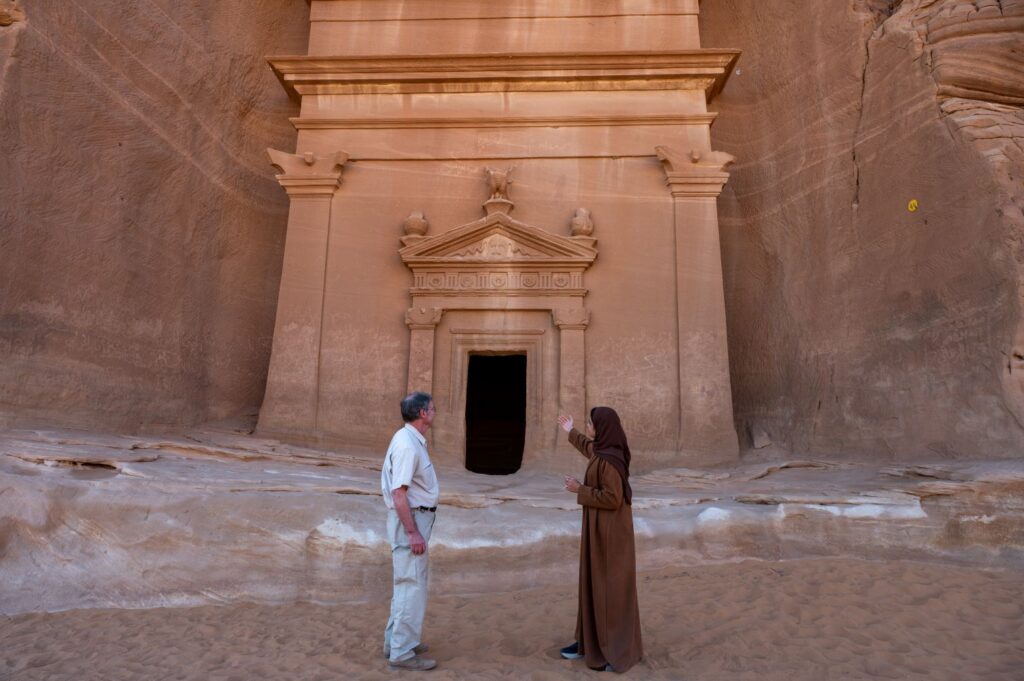
The Rawis themselves occupy an unusual role. They aren't performers reciting a fixed script for tourists; the programme positions them as cultural ambassadors, carrying oral history and local knowledge that predates any tourism infrastructure built around it. Their certification under UNESCO's "Live Museum" model, a framework for treating living culture-bearers as the exhibit, rather than static artefacts behind glass, makes AlUla's Rawis the first practitioners of that model recognised anywhere in the Kingdom.
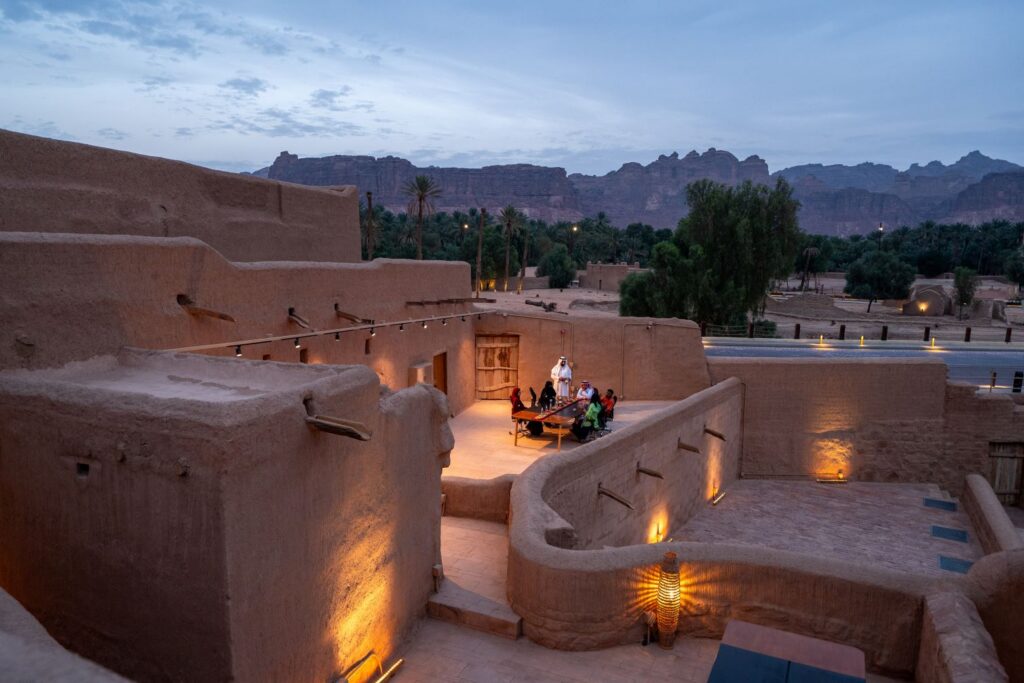
The exhibition also marks the public unveiling of what comes next. 'Qissa bi Qissa', literally "swap a story", is a new interactive visitor experience built on the same Live Museum principle, due to launch for visitors in AlUla later this year. Rather than a guided tour with a fixed narration, the format is built around genuine exchange: a visitor offers something of their own in return for a Rawi's story, turning a one-directional performance into something closer to a conversation between strangers who happen to be standing in the same place.
That shift matters more than it might first appear. Heritage tourism has a well-worn failure mode: a culture-bearer performs a version of their own tradition for an audience that came to observe, not participate, and the exchange stays exactly that, one-directional, over as soon as the visitor moves on to the next stop. 'Qissa bi Qissa' is a deliberate attempt to avoid that shape, betting that a swapped story creates a different kind of memory than one passively received and quickly forgotten.
None of this is unfamiliar territory for the Royal Commission for AlUla, which has spent the past several years building partnerships that put the region's living culture in front of global institutions rather than treating it as background scenery for luxury tourism. UNESCO's own involvement lends the programme a credibility that a stand-alone marketing campaign couldn't manufacture on its own, a recognition, however incremental, that the Rawis' knowledge belongs in the same conversation as the institutions built to safeguard the world's cultural heritage.
Whether 'Qissa bi Qissa' delivers on its premise will depend entirely on execution once it opens for visitors on the ground in AlUla, a swap-a-story format lives or dies on whether visitors actually show up willing to offer something back, not just receive something for free. But putting the Rawis' faces at the gates of UNESCO's Paris headquarters, ahead of that launch, is a clear statement of intent: AlUla wants its storytellers recognised as practitioners of something with global standing, not folklore performed for a passing crowd of tourists.
There's a symbolic neatness to the choice of location, too. A gate is, by definition, a threshold, a place people pass through rather than linger at, which is exactly the problem 'Qissa bi Qissa' is trying to solve on the other side of that threshold in AlUla itself. Whether the format can turn a passing glance into an actual exchange is the real test still to come, once the exhibition closes in Paris and the programme it's introducing opens for visitors on the ground.