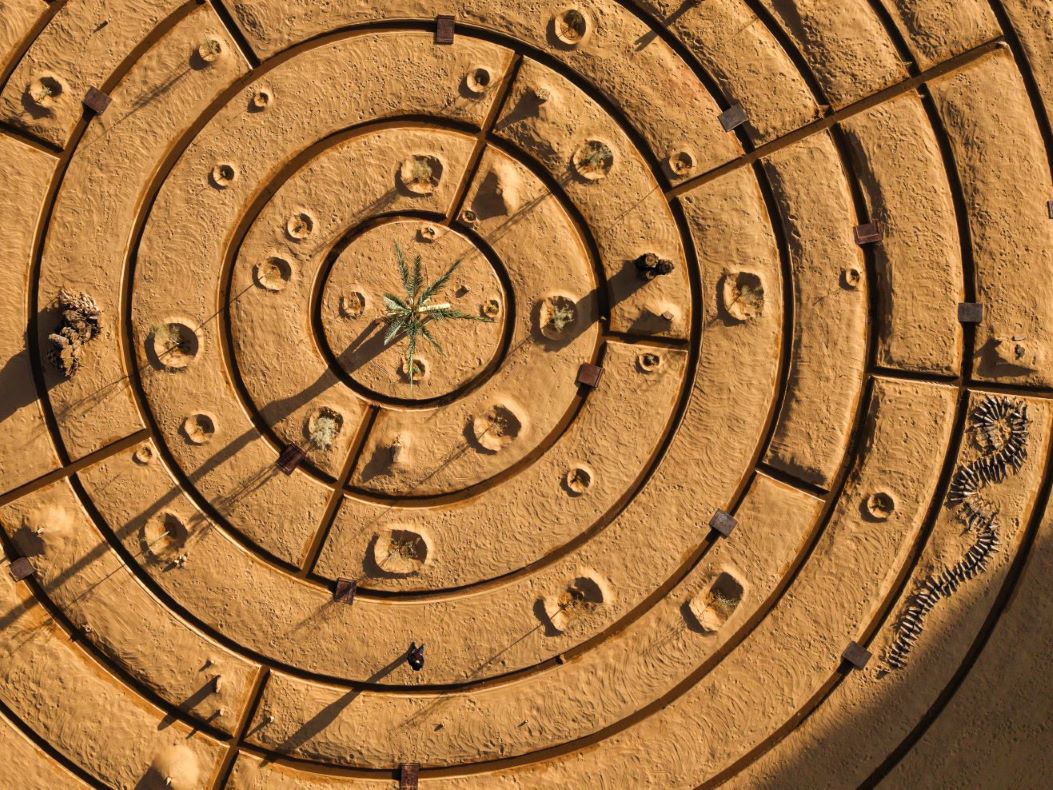
In the sweeping expanse of AlUla, where the wind-sculpted sandstone of Hegra meets the lush canopy of an ancient oasis, a new kind of legacy is being etched into the landscape. Now in its fifth edition, the AlUla Arts Festival has matured into a cornerstone of a burgeoning regional movement, guided by the vision of Hamad Alhomiedan, Director of Arts and Creative Industries at the Royal Commission for AlUla (RCU). Under Alhomiedan’s leadership, AlUla is positioning itself as more than a stage for fleeting performances; it is a deliberate effort to anchor the creative industries within a site that has been a crossroads of civilization for millennia.
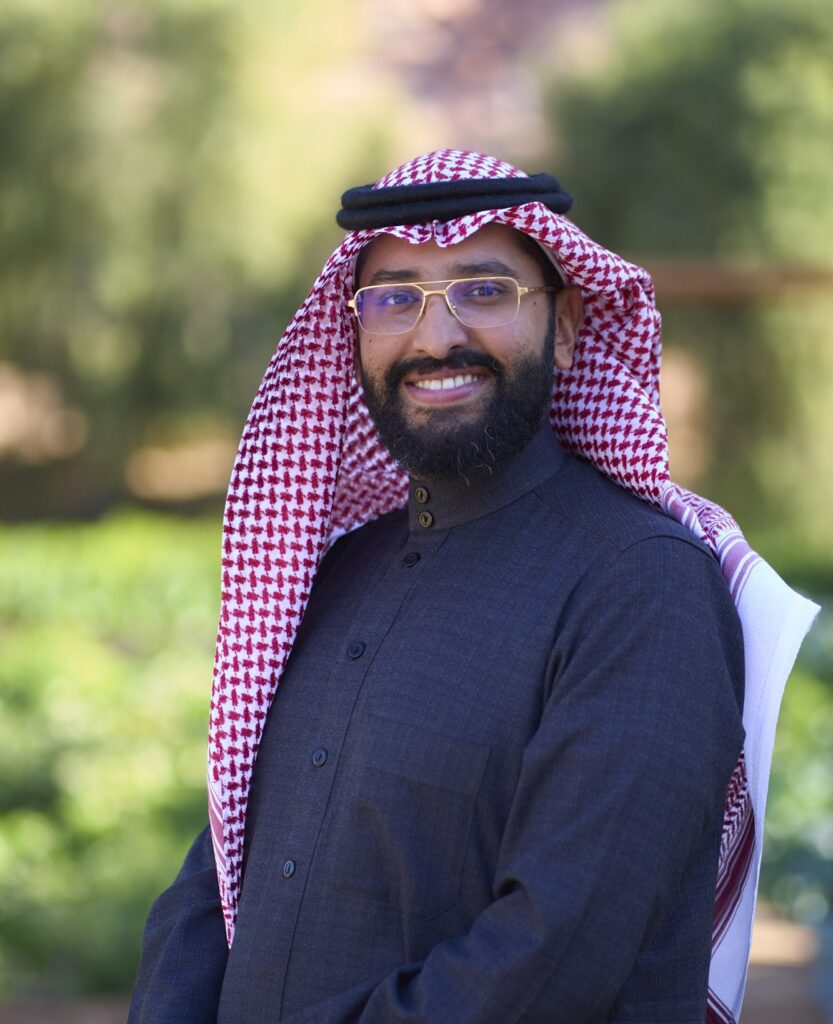
"AlUla is a very special place," Alhomiedan explains, reflecting on the unique identity of the destination. "When you put something in the landscape here, it is very difficult to compete with that anywhere in the region. But we have an angle, we have an edge." That edge is a deep historical continuity. Alhomiedan emphasizes that the RCU’s role is to ensure this movement creates a legacy that "stays here for thousands of years as well," mirroring the ancient civilizations like the Dadanites and Nabataeans. "AlUla Arts Festival is the contemporary expression of ancient traditions of creativity and cultural exchange," he says. "In this diverse programme, AlUla becomes a canvas for creative dialogue and a catalyst for conversations in the Kingdom and beyond."
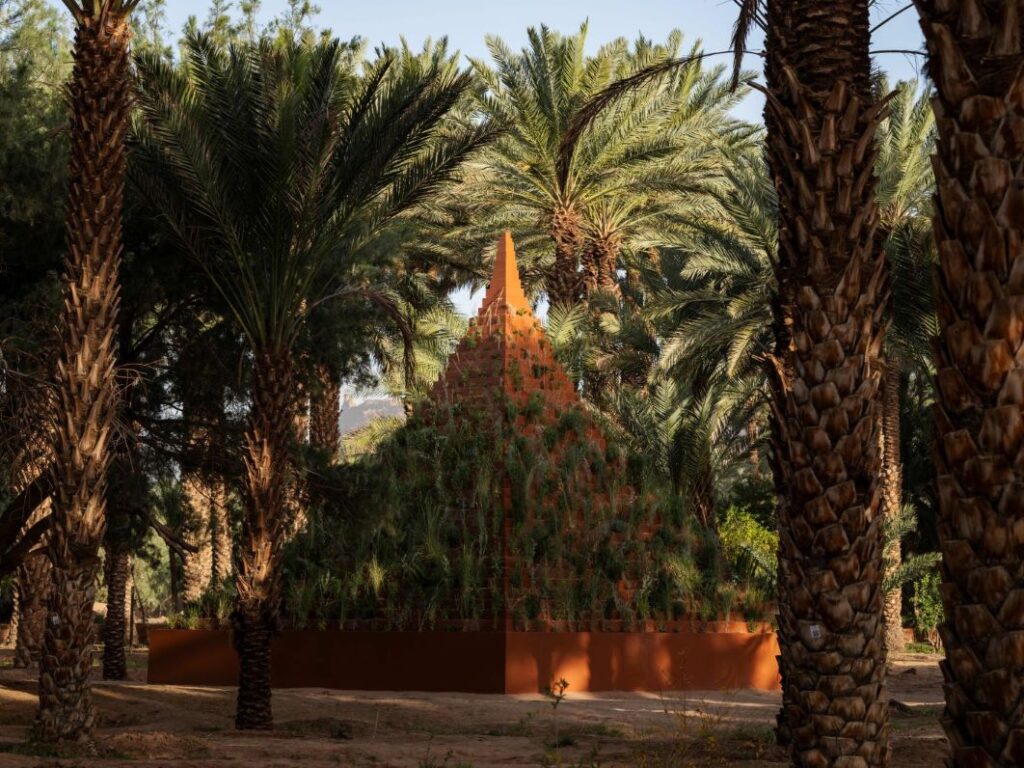
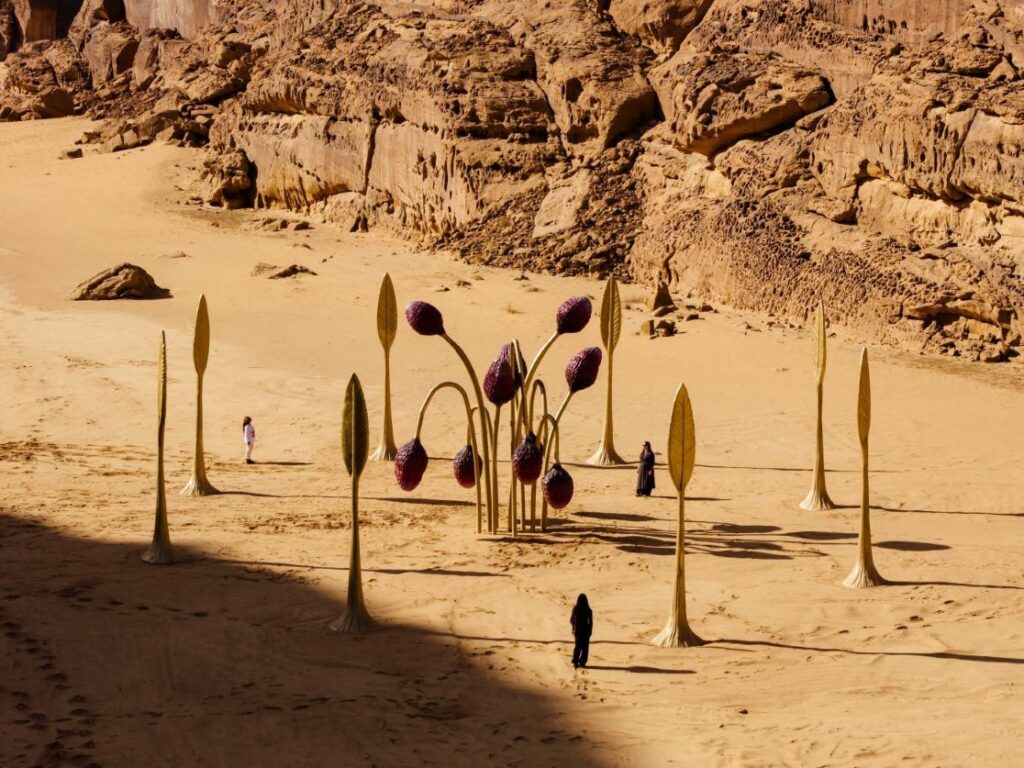
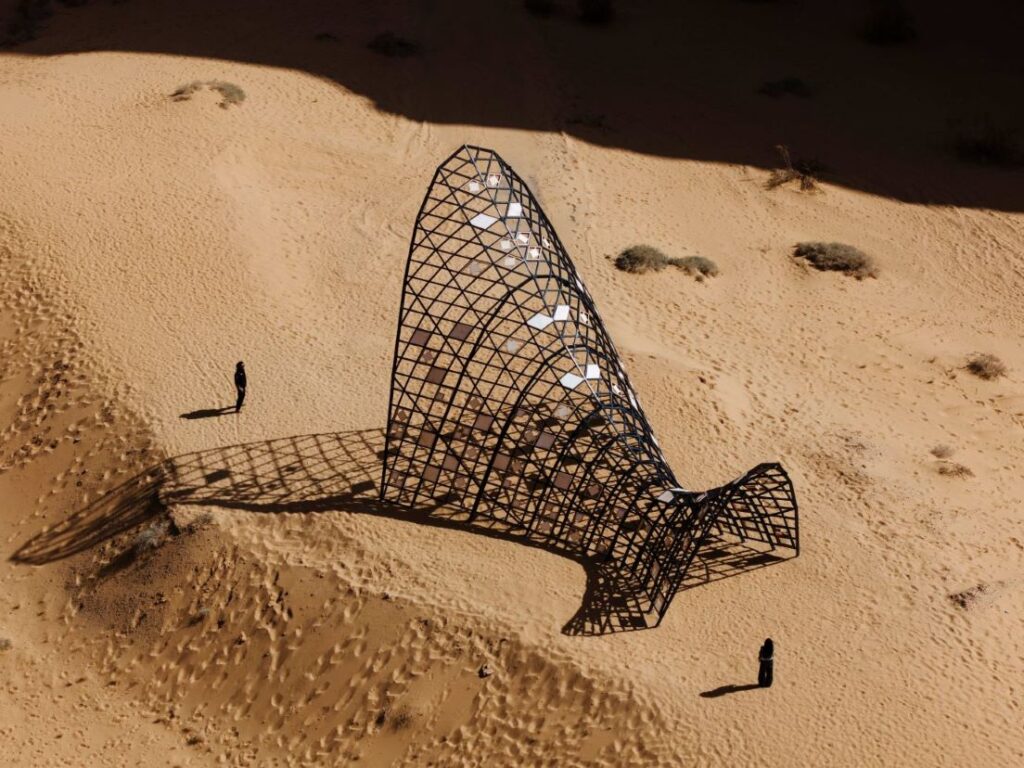
One of the most anticipated pillars of this dialogue is Desert X AlUla, the region’s first site-responsive land art exhibition. "Desert X AlUla is one of the most anticipated moments of the AlUla Arts Festival, reflecting AlUla’s history as a global meeting place for creativity," Alhomiedan notes. The exhibition serves as a vital prelude to Wadi AlFann (Valley of the Arts), a massive project intended to be a permanent global cultural destination featuring commissions by superstars like James Turrell, Agnes Denes, and Michael Heizer. "It will be our generation's legacy," he asserts, "communicating the story of this landscape to future civilizations and connecting creativity, community, and the desert’s timeless story on the international stage."
This vision for the future is fueled by a sustainable creative ecosystem designed to be as economically impactful as it is artistic. At the heart of this strategy is Alhomiedan’s conviction that "if it’s not creating jobs, if it’s not engaging with the community… then it’s not worth doing." This philosophy has found its most successful expression in Madrasat Addeera, the region’s first art and design center. By focusing on ancient crafts and presenting them in a contemporary way, the center turns heritage into a revenue stream for the local population.
The success of Madrasat Addeera is quantifiable and serves as a blueprint for the regional creative economy. To date, 237 artisans from the local community have enrolled in the school. Alhomiedan notes that of the sixty who have already graduated, around 23 have established their own independent businesses. In a remarkable display of organic growth, these new entrepreneurs have begun hiring their own colleagues, creating a self-sustaining loop of professional creative work. "We can see the organic development of creative industries in AlUla," Alhomiedan says, highlighting that the initiative is an incubator for a new generation of Saudi business owners.
To further this professionalization, AlUla has launched the AlUla Design Award and various Residency Programmes. The Design Award invites creators to treat AlUla as a "collaborator, studio, and stage," while the residencies allow international and regional designers to immerse themselves in the oasis. "Design is integral to the narrative of the AlUla Arts Festival," Alhomiedan states. "It signals the strength of a growing design ecosystem—one that values innovation, honors cultural memory, and nurtures dialogue across disciplines and borders."
The message to "future superstars" of the region is that AlUla is an "always-open" invitation. Whether through Designathons, artist residencies, or public art acquisitions, Alhomiedan insists there is no need to wait for a specific moment. "I don’t think AlUla needs an open call," he explains. "It’s open year-round… you don’t need an open call to be part of AlUla’s fabric." Ultimately, Alhomiedan believes the power of AlUla lies in immersion, as photos on Google "do not do it justice." For any creator starting out, he offers one final piece of professional advice: "Celebrating your own culture is key to your success."
AlUla Arts Festival takes place January 16 to February 14, 2026. For more information, visit www.experiencealula.com/en/whats-on/festivals/alula-arts-festival